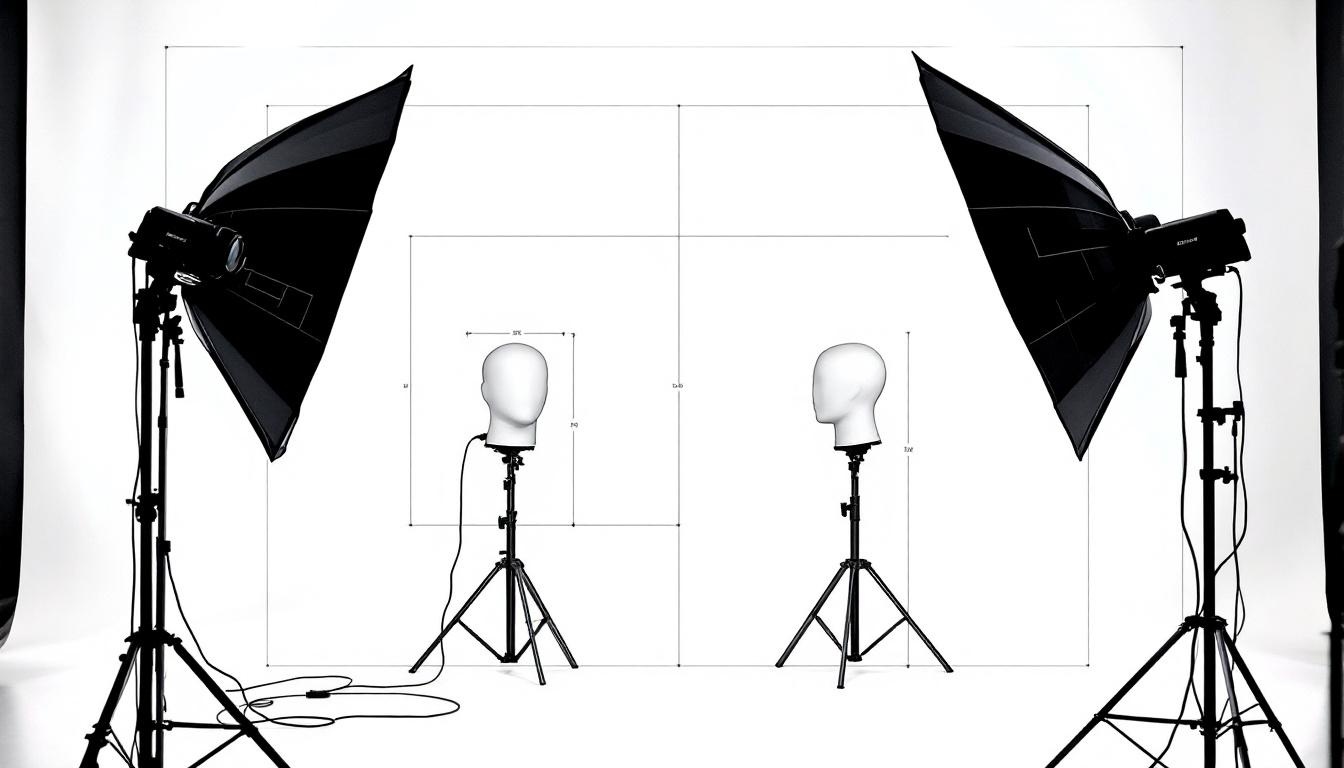
Professional photographers achieve consistently accurate colors not just through expensive cameras, but through lighting modifiers that most amateurs never scrutinize for color performance. The $30 softbox producing your inconsistent skin tones isn’t just a quality-of-light problem: it’s systematically shifting your color temperature and creating spectral gaps that no amount of post-processing can fully correct.
This technical divide explains why professional portrait work maintains color consistency across different sessions while amateur photographers struggle with images that look great on set but fall apart in post-production. The problem isn’t your camera or your editing skills. It’s the color science happening inside your lighting modifiers.
The Fabric Chemistry Behind Color Shifts
Budget softboxes universally use synthetic fabrics that photographers treat as neutral diffusion materials. They’re not neutral. Polyester and nylon blends, the standard materials in sub-$100 softboxes, absorb specific wavelengths while transmitting others unevenly.
Testing conducted by the Rochester Institute of Technology’s imaging science department demonstrates that synthetic diffusion materials create measurable color temperature shifts ranging from 150K to 400K depending on the fabric density and weave pattern. More critically, these shifts aren’t linear across the spectrum.
Professional softboxes use carefully engineered fabric blends or specialized synthetic materials that undergo spectral testing during manufacturing. Companies like Profoto and Broncolor publish spectral distribution charts for their modifiers because they control the material composition to maintain color neutrality.
The weave density matters more than most photographers realize. Loose weaves in budget softboxes create uneven spectral transmission where certain wavelengths pass through gaps while others encounter fabric fibers. This creates subtle but measurable color variations across the light spread that become obvious when photographing subjects with mixed skin tones or color-critical products.
Internal Reflector Surface Problems
Open any budget softbox and you’ll find reflective surfaces that look professional but perform poorly for color accuracy. The aluminum and silver-colored synthetic materials used in budget modifiers introduce color casts that vary with the light source power and heat output.
Cheap aluminum reflective surfaces oxidize and discolor with heat cycling from strobes. This oxidation creates a gradual shift toward green or magenta color casts that develop over weeks of use. Photographers often attribute color consistency problems to their strobes when the actual issue is oxidation in the modifier’s reflective coating.
Professional softboxes use either pure silver coating applied through vapor deposition or engineered white reflective materials that maintain color neutrality under thermal stress. These materials cost significantly more to produce but maintain spectral consistency over thousands of flash cycles.
The geometric design of internal reflectors also affects color rendering. Budget softboxes often use flat or simple curved reflectors that create hot spots and uneven color distribution across the modifier face. Professional modifiers use complex reflector geometries with multiple surfaces designed to maintain both light evenness and color consistency.
Power Setting Color Temperature Drift
Budget softboxes exhibit color temperature inconsistencies that change with strobe power settings, a problem rarely discussed in basic lighting education. As strobe power increases, the heat generated affects both the fabric diffusion and internal reflector surfaces differently, creating measurable color temperature drift.
Testing with calibrated color meters reveals that budget softboxes can shift 200-300K between minimum and maximum power settings on the same strobe. This means a softbox that produces accurate 5500K light at 1/8 power might output 5800K at full power, creating a noticeable warm shift that affects color balance across a shoot.
Professional modifiers undergo thermal testing to ensure color temperature consistency across power ranges. The materials and construction methods used in professional softboxes minimize thermal effects on color rendering, maintaining consistent output regardless of power settings.
Why Professional Photographers Are Abandoning Traditional Softboxes for Parabolic Modifiers to understanding color temperature consistency becomes crucial when building multi-light setups where different modifiers at various power levels must maintain color balance.
The Compound Effect in Multi-Light Setups
The hidden danger of budget softboxes becomes exponentially worse in multi-light setups where multiple modifiers interact. Each budget modifier introduces its own color cast, and these casts don’t cancel out, they compound in complex ways depending on the lighting ratios and subject positioning.
A two-light setup using budget softboxes might have one modifier shifting 200K warm while the other shifts 150K cool. The resulting color balance varies across the frame as the light ratios change, creating zones where skin tones appear different colors. Post-processing can’t correct these zone-specific color variations without extensive masking and adjustment layers.
Professional photographers avoid this problem by using matched modifier sets from single manufacturers. Companies like Elinchrom and Profoto test their modifiers together to ensure color consistency across different sizes and styles within their product lines.
The problem amplifies when mixing modifier brands in the same setup. A budget softbox from one manufacturer paired with a budget beauty dish from another can create color rendering problems that require significant post-processing time to address, often with imperfect results.
Measuring Color Rendering Performance
Photographers serious about color accuracy need measurement tools beyond visual assessment. Professional colorimeters and spectroradiometers can measure the actual color rendering performance of lighting modifiers, but these tools cost thousands of dollars.
A practical alternative involves using standardized color targets like the X-Rite ColorChecker Classic in test shots with different modifiers. Comparing the color accuracy of the same target photographed under different softboxes reveals measurable differences in color rendering performance.
The National Institute of Standards and Technology provides measurement standards for evaluating light source color rendering that apply to modified light sources including softbox setups. Their Color Rendering Index (CRI) methodology, while designed for continuous lighting, offers frameworks for evaluating strobe modifier performance.
Professional photographers often maintain lighting logs that track color temperature measurements for different modifier and power combinations. This data-driven approach eliminates guesswork when setting up shoots and ensures consistent color results across sessions.
Spectral Quality vs Visual Assessment
The human eye adapts to color temperature variations much better than camera sensors, creating a disconnect between what looks correct on set and what the camera records. Budget softboxes might appear to produce even, neutral light visually while creating measurable spectral problems that cameras capture.
Professional color evaluation requires understanding the difference between visual assessment and spectral measurement. A softbox that looks perfectly even to the eye might have significant spectral gaps or peaks that affect specific color ranges in the final image.
Color critical work like product photography for e-commerce or fashion requires modifiers with measured spectral performance. The cost difference between budget and professional softboxes becomes justified when color accuracy directly impacts commercial results.
When Budget Modifiers Make Sense
Budget softboxes aren’t universally problematic for all photography applications. Black and white photography eliminates color rendering concerns entirely. Portrait work where skin tones will receive significant retouching in post-production can accommodate the color inconsistencies of budget modifiers.
Photographers shooting in controlled studio environments with consistent modifier and power combinations can develop color correction workflows that compensate for budget modifier characteristics. Custom camera profiles and preset adjustments can standardize the color correction process.
The decision point comes when color accuracy requirements exceed the performance capabilities of budget modifiers. Commercial photographers, portrait specialists focused on natural skin tones, and product photographers typically reach this threshold quickly.
Professional Modifier Investment Strategy
Upgrading from budget to professional modifiers requires strategic thinking about which pieces provide the most color accuracy improvement. The primary key light modifier typically offers the greatest return on investment since it affects the largest portion of the subject.
Professional photographers often recommend starting with one high-quality softbox for key lighting while using budget modifiers for background and accent lights where color accuracy matters less. This hybrid approach balances budget constraints with color performance requirements.
Matching modifier families from professional manufacturers ensures color consistency as lighting setups expand. The higher initial investment pays dividends in reduced post-processing time and improved color consistency across work.
- Budget softbox fabrics create measurable color temperature shifts ranging from 150K to 400K due to synthetic material spectral absorption
- Internal reflector surfaces in budget modifiers oxidize and introduce color casts that worsen with thermal cycling from strobe use
- Color temperature consistency varies by 200-300K between power settings on budget modifiers, affecting color balance across shoots
- Multi-light setups compound color rendering problems exponentially when using mismatched budget modifiers
- Professional modifiers justify their cost through spectral testing, thermal stability, and matched performance across product lines