
Your client opens the gallery and immediately notices what you hoped they wouldn’t: the subject’s skin tone shifts from warm to cool across images shot minutes apart with your “matched” 5600K lighting kit. Three hours of color correction later, you’re questioning everything you thought you knew about lighting equipment specifications.
The myth that matching Kelvin ratings guarantees color consistency has cost more photographers time, money, and client relationships than any other equipment misconception. Yet most professionals continue building lighting kits based on manufacturer color temperature claims without understanding why their supposedly matched lights produce wildly different results.
Why This Myth Persists in Professional Circles
The photography industry’s obsession with Kelvin ratings creates a false sense of precision. When Godox, Profoto, and Aputure all claim 5600K output, photographers naturally assume these lights will match. This assumption gets reinforced by YouTube reviewers who demonstrate “color matching” using cameras set to daylight white balance, where obvious color casts get automatically corrected by the camera’s processing.
Manufacturers contribute to this confusion by measuring color temperature under different conditions. Some measure at full power, others at 50%. Some test brand new units, others test after 100 hours of burn-in. The result: a 5600K rating becomes meaningless for actual matching purposes.
I’ve been preaching for years that trusting manufacturer Kelvin ratings is one of the biggest mistakes photographers make when building multi-light setups. The numbers on the spec sheet are practically useless for real-world color matching because every manufacturer measures differently.
The problem runs deeper than inconsistent measurement standards. LED panels and strobes use fundamentally different color mixing technologies. LED panels rely on blue LEDs with phosphor coatings to create white light, while some strobes use plasma discharge. These technologies age differently, drift with temperature changes, and respond differently to dimming.
The fundamental difference between LED and strobe color production means you’re mixing apples and oranges even when the Kelvin numbers match. LEDs create white light through phosphor conversion while strobes use entirely different spectral characteristics, so expecting them to match based on color temperature alone is wishful thinking.
The Technical Reality Behind Color Temperature Failures
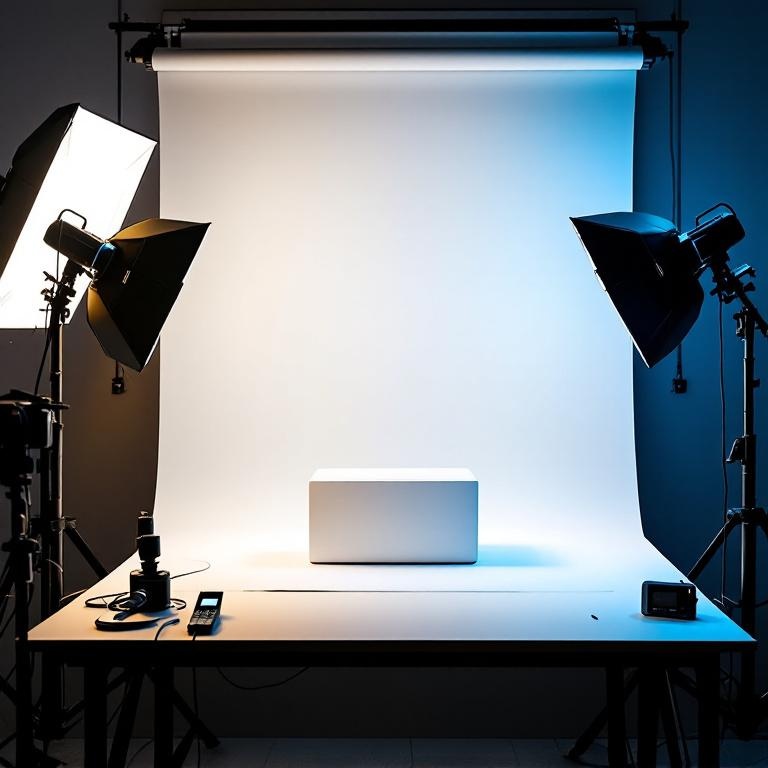
The core issue lies in spectral power distribution, not just Kelvin ratings. Two lights can measure identical color temperatures while producing completely different spectral outputs. A cheap LED panel might hit 5600K by producing strong blue and yellow peaks with gaps in cyan and red. A quality strobe hits the same 5600K with smooth, continuous spectral output across all wavelengths.
This explains why skin tones look different under visually matched lights. Human skin reflects specific wavelengths that cheap LEDs simply don’t produce, regardless of their Kelvin rating. The camera captures this spectral deficiency as a color cast that’s impossible to correct perfectly in post-production.
LED binning processes compound this problem. Professional manufacturers like Penn State’s business planning guidelines for photographers note that even expensive equipment can vary 200-300K within the same product line due to LED chip variations. Budget manufacturers often use wider binning tolerances, creating 500K+ variations between supposedly identical units.
Temperature drift adds another layer of complexity. As LED panels heat up during use, their color temperature shifts. A panel that starts at 5600K might drift to 5400K after 30 minutes of continuous operation. Strobes handle heat differently and maintain more consistent output, but mixing the two technologies in the same shoot guarantees color problems.
The Real Cost of Ignoring Spectral Distribution
Consider this scenario: You’re shooting a corporate headshot series with a three-light setup. Your key light is a quality strobe (true 5600K with excellent spectral distribution), your fill is a budget LED panel (5600K rating but poor spectral output), and your background light is another LED from a different manufacturer (also rated 5600K but using different LED chips).
The result: three different skin tones on the same subject. The area lit by the strobe renders natural skin color. The fill light adds a slight green cast that makes the subject look ill. The background spill creates a magenta fringe that separates poorly from the background.
Post-production becomes a nightmare. You can correct the overall white balance, but the mixed spectral information creates color shifts that vary across the frame. Skin tones that look natural in highlights appear green in shadows. Hair color shifts when you correct for skin tone. Clothing colors become unpredictable.
Professional work demands better. Rhode Island School of Design’s photography program emphasizes that consistent lighting is foundational to professional image quality, not just an advanced technique.
Technical Solutions That Actually Work
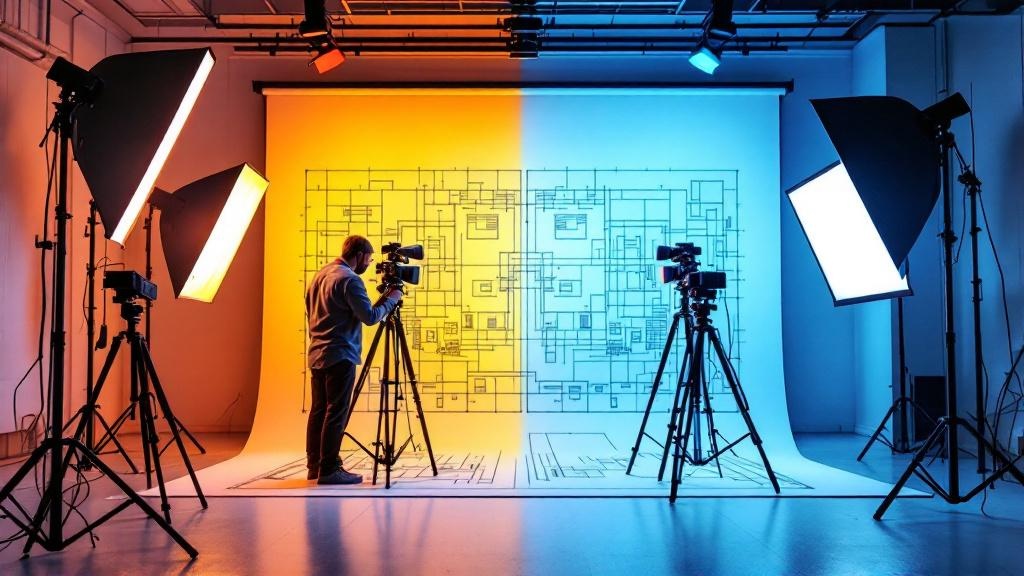
Professional color consistency requires measuring spectral power distribution, not trusting Kelvin ratings. A quality color meter like the Sekonic C-800 or UPRtek CV600 reveals the actual spectral output of your lights. These meters show CRI (Color Rendering Index) and TLCI (Television Lighting Consistency Index) scores that explain why visually matched lights create different results.
CRI measures how accurately a light source renders colors compared to natural sunlight. Budget LEDs often score 80-85 CRI, which sounds acceptable but creates noticeable color shifts in professional work. Quality continuous lights score 95+ CRI, while good strobes typically exceed 96 CRI.
TLCI matters more for video work but reveals important information for still photographers. A light can score high CRI while having poor TLCI due to spectral gaps that affect digital camera sensors differently than human vision.
Building a truly matched lighting kit requires testing actual units, not comparing specifications. Buy your lights from the same production batch when possible. Test them with a color meter before your first paid job. Create a custom white balance for your specific light combination rather than relying on camera presets.
For mixed lighting situations, conversion gels provide more accurate correction than post-production. A CTB gel can convert tungsten-balanced lights to daylight balance, but the spectral correction is more complete than digital white balance adjustment.
The Professional Standard: Measurement Over Marketing
Professional lighting rental houses understand these principles intuitively. They maintain lights in matched sets, test them regularly with calibrated meters, and replace units when they drift outside acceptable tolerances. They never assume lights match based on model numbers or Kelvin ratings.
This approach should extend to purchase decisions. A $300 LED panel with verified 96 CRI and consistent spectral output provides better color matching than three $200 panels with unknown spectral characteristics. The math becomes simple: one hour of color correction time costs more than the price difference between quality and budget lights.
FCC regulations on LED lighting equipment provide minimum standards but don’t address color consistency for photography applications. Energy Star certification focuses on efficiency, not color quality. Professional photographers must look beyond consumer lighting standards to cinematography and broadcast specifications.
- Manufacturer Kelvin ratings are measured under different conditions and cannot guarantee color matching between different brands or even units from the same production run
- LED panels and strobes use different color mixing technologies that age and drift differently, making long-term color consistency impossible without regular calibration
- Professional color consistency requires measuring CRI and TLCI scores with a calibrated color meter, not trusting visual assessment or camera white balance
- Spectral power distribution gaps in budget lighting create color casts that cannot be fully corrected in post-production, making quality lights a business necessity rather than a luxury upgrade